
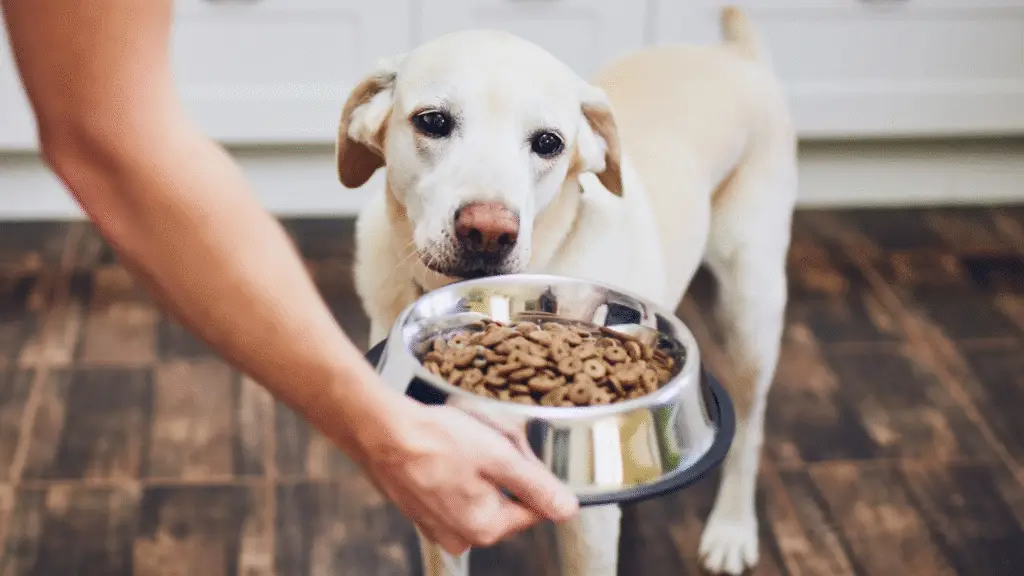
Is Your Pet Really a Picky Eater, or Is Something Else Up?
Before we dive into tips for charming even the most stubborn eaters, it’s crucial to rule out any underlying health issues. Sometimes, what looks like fussiness is actually a sign your pet isn’t feeling well.
When to Call Your Vet IMMEDIATELY:
- Sudden Change: If your pet has always been a good eater and suddenly stops eating or becomes extremely selective.
- Other Symptoms: If picky eating is accompanied by vomiting, diarrhea, lethargy, coughing, sneezing, limping, or any other unusual behavior.
- Weight Loss: Any noticeable or rapid weight loss is a serious concern.
- Pain: If they show discomfort while eating (e.g., dropping food, pawing at their mouth, reluctance to chew hard food). This could indicate dental problems.
Signs It Might Be “True” Pickiness (After Vet Check-Up):
- They’ll Eat Something Else: They refuse their regular food but happily gobble up treats, human food, or a different pet food. This suggests they can eat, but choose not to eat that.
- Playing the Waiting Game: They might sniff their food, walk away, and only eat much later, or when you add something special.
- Mealtime Anxiety: They seem stressed or anxious around their food bowl.
- Grazing: Instead of eating a full meal, they take a few bites here and there throughout the day.
Once your vet gives your pet a clean bill of health, you can confidently approach their picky eating as a behavioral or preference issue.
The Psychology of Picky Eaters: It’s Not Always About Hunger
Understanding why your pet might be picky can help you address the issue more effectively.
For Dogs:
Dogs are often creatures of habit, but they can also be very smart at training us. If you’ve been constantly changing foods, adding tempting toppers, or hand-feeding, your dog might learn that holding out will get them something better. Sometimes, it’s about control or seeking a more exciting meal. Boredom can also play a role; if their day is predictable and lacks engaging activities, mealtime might feel just as dull.
For Cats:
Cats can be particularly sensitive to food texture, smell, and even the shape of their bowl. They are also instinctively grazers, preferring many small meals throughout the day. If they feel unsafe while eating, or their food is near their litter box, they might refuse it. Some cats develop preferences early in life that are hard to shake. Stress or changes in routine can also make them finicky.
Strategy 1: Establish a Mealtime Routine (No All-Day Buffet!)
This is perhaps the most crucial step for turning a picky eater into a regular eater. Pets thrive on routine, and a consistent meal schedule teaches them when to eat.
- Set Meal Times: Decide on 2-3 specific times each day for meals (e.g., 8 AM, 6 PM).
- The 15-20 Minute Rule: Place their food bowl down for a set period – usually 15 to 20 minutes.
- Pick It Up: If they haven’t eaten or finished by the end of that time, pick up the bowl. Don’t leave it down for them to graze on all day. This teaches them that food is available only at certain times.
- No Snacks in Between: Avoid giving treats, human food, or extra snacks between scheduled meals. This reinforces that their main meal is the primary source of food.
- Stay Strong: It can be tough, especially if your pet gives you the sad eyes, but consistency is key. A healthy pet will eventually eat when they’re hungry. This isn’t about “starving” them; it’s about teaching healthy habits.
Why this works: It creates a predictable routine. Your pet learns that if they don’t eat now, they’ll have to wait until the next mealtime. This often resets their expectations.
Strategy 2: Make Mealtime an Adventure (Beyond the Bowl!)
Sometimes, plain old kibble in a bowl just isn’t exciting enough. Adding an element of fun and mental challenge can turn a “famine” into a “feast.”
- Puzzle Feeders: These toys make your pet “work” for their food, dispensing kibble as they play or solve a simple puzzle. It engages their brain and makes mealtime more satisfying.
- For dogs: Kong Wobblers, Snuffle Mats, treat-dispensing balls.
- For cats: Food puzzles with compartments, slow feeder bowls, treat balls designed for cats.
- Scatter Feeding: For dogs and cats, try scattering a portion of their kibble across a clean floor, on a mat, or even in the yard (if safe from pests and weather). This encourages natural foraging behavior and makes eating a fun hunt.
- “Find It” Games: Hide small portions of their food around a room (easy spots at first) and tell them to “find it.” This is a fantastic mental exercise.
- Slow Feeder Bowls: If your pet eats too quickly (or just picks at it slowly, but you want to slow down their access), a slow feeder bowl can make mealtime more engaging by forcing them to work around obstacles.
Why this works: It turns eating into a stimulating activity, appealing to their natural instincts to forage or solve problems. This can make food more appealing and prevent boredom.
Strategy 3: Tempt with Tasty Toppers (The Right Way!)
While we want to avoid creating a new picky habit by constantly adding irresistible extras, a small, healthy topper can sometimes make their regular food more enticing. The key is moderation and choosing the right kinds of toppers.
Safe & Beneficial Topper Ideas (in VERY small amounts!):
- Plain Cooked Meats: A tiny bit of unseasoned, cooked chicken breast, turkey, or lean beef. Make sure it’s boneless and skinless.
- Plain Canned Pumpkin: Not pumpkin pie filling! Just 100% plain canned pumpkin. It’s great for digestion and adds a hint of flavor. A tablespoon for dogs, a teaspoon for cats is often enough.
- Low-Sodium Broth: A splash of plain, low-sodium chicken or beef broth can add moisture and flavor to dry kibble.
- Certain Veggies: A few steamed green beans, carrots, or peas (plain, no butter or salt).
- Plain Yogurt or Cottage Cheese: A small spoonful of plain, unsweetened yogurt or cottage cheese (if your pet tolerates dairy) can be a tasty addition.
Important Topper Rules:
- Less is More: Use a tiny amount, just enough to add interest, not to make the meal primarily the topper.
- Mix It In: Don’t just place it on top. Mix it into their regular food so they can’t just pick out the good stuff.
- Vary It: Don’t use the same topper every single day. Rotate them or use them sparingly to avoid creating a new dependency.
- Avoid Harmful Foods: Never give onions, garlic, grapes, raisins, chocolate, avocado, artificial sweeteners (especially xylitol), or large amounts of fatty foods.
Why this works: It adds a little sensory variety to their meal, making it more appealing without drastically changing their core diet.
Consistency is Key, Especially with Your Pet Care Partners!
Dealing with a picky eater requires patience and consistency from everyone in your pet’s life. This is where having trusted pet care partners like the Guardians at Four Seasons For Paws can make a real difference.
Our Guardians are experts at sticking to routines. When we visit your home, we’re not just feeding your pet; we’re reinforcing those healthy mealtime habits you’re trying to establish. We ensure food is offered at the right time, for the correct duration, and using any specific feeders or toppers you request. We also carefully monitor how much they’re eating and note any changes, keeping you fully updated in their daily journal.
This consistent approach from all caregivers helps your pet feel secure and understand expectations, which is vital for overcoming picky eating habits. We pay attention to the details, making sure your pet gets the nutrition they need, exactly when they need it.
Ready to Make Mealtime a Happy Time?
Picky eating can be a challenge, but with a little patience, consistency, and the right strategies, you can help your dog or cat become a happier, healthier eater. Remember, your vet is your first resource for any concerns, and Four Seasons For Paws is here to support you with consistent, loving care when you can’t be there.
Want to chat about how our Guardians can help with your pet’s specific routines? Contact us today – we’d love to help!