
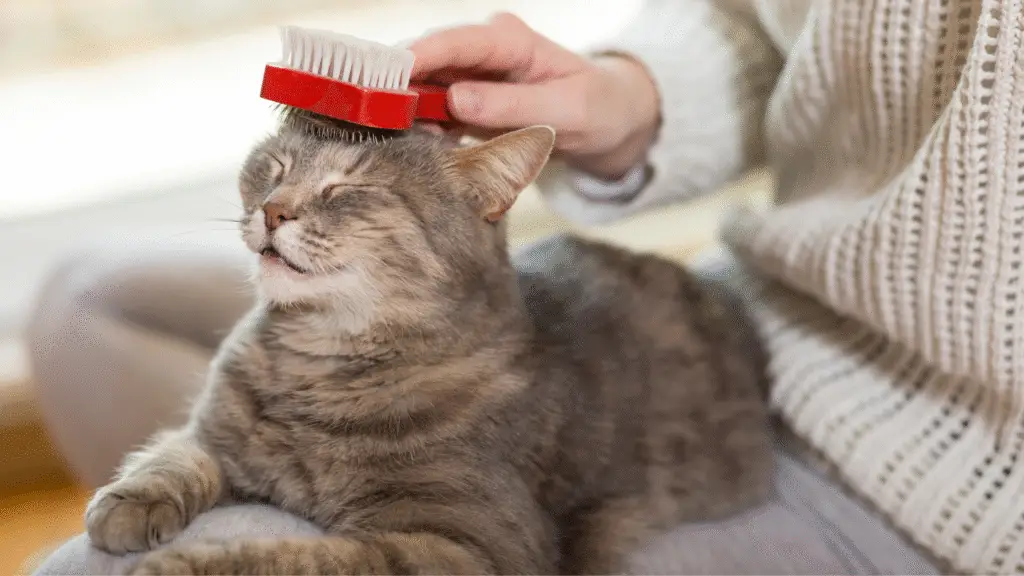
Maximizing Your Pet's Comfort and Health Through Regular Grooming
Why Summer Grooming is Crucial
Many pet parents view grooming primarily through the lens of aesthetics—a way to keep their furry companions looking neat. However, the benefits extend far beyond a tidy appearance. During summer, consistent grooming becomes a vital health practice, preventing a host of issues that can arise from increased heat, humidity, and outdoor activity.
Temperature Regulation: While some believe shaving a pet helps them stay cooler, this isn’t always the case, especially for double-coated breeds. Their coats actually provide insulation against both heat and cold. Regular brushing, however, removes loose undercoat, allowing for better air circulation closer to the skin, which aids in natural cooling. For breeds with single coats, keeping them free of mats is equally important for air flow.
Skin Health and Irritation Prevention: Humidity combined with a dense or matted coat creates an ideal breeding ground for bacteria and yeast, leading to skin infections, hot spots, and general irritation. Grooming helps distribute natural oils, keeps the skin clean, and allows you to identify any abnormalities early on.
Parasite Detection and Prevention: Summer is prime time for fleas, ticks, and other external parasites. Regular grooming sessions provide an excellent opportunity to conduct thorough inspections of your pet’s coat and skin. Early detection is key to effective treatment and prevents infestations from escalating.
Comfort and Well-being: Imagine wearing a heavy, tangled sweater on a hot summer day. That’s often what a matted coat feels like for a pet. Regular grooming significantly enhances their comfort, making them more inclined to enjoy walks and playtime.
Your At-Home Summer Grooming Essentials Checklist
While professional grooming is highly recommended, especially for complex coats or specific needs, there are several key grooming tasks you can perform at home to supplement professional care and maintain your pet’s health between appointments.
The Art of Brushing
Brushing is the cornerstone of summer grooming. The frequency and type of brush will depend on your pet’s coat type.
- Short-Haired Breeds (e.g., Beagles, Labrador Retrievers): A rubber curry brush or a shedding blade used a few times a week can effectively remove loose hair and stimulate circulation.
- Long-Haired Breeds (e.g., Golden Retrievers, Shih Tzus): Daily brushing with a slicker brush followed by a metal comb is often necessary to prevent tangles and mats. Pay particular attention to areas prone to matting, such as behind the ears, under the legs, and around the tail.
- Double-Coated Breeds (e.g., Huskies, German Shepherds): During shedding season, a de-shedding tool can be incredibly effective at removing the dense undercoat. Regular brushing with a slicker brush and an undercoat rake is essential to prevent matting and allow their coat to function as intended for temperature regulation.
Tip for Brushing: Always brush in the direction of hair growth. Start with small sections, working your way through the entire coat. If you encounter a mat, do not pull. Instead, try to gently work it out with your fingers or the wide teeth of a comb. For stubborn mats, it’s best to seek professional assistance to avoid causing pain or skin damage.
Checking for Mats
Mats are not just unsightly; they are a serious health concern, particularly in summer. They pull on the skin, causing pain and discomfort, and can hide skin infections, parasites, and even restrict blood flow.
How to Check: Run your fingers through your pet’s coat, paying close attention to “hot spots” for matting:
- Behind the ears
- Under the armpits
- Around the collar area
- On the flanks and belly
- Around the tail
If you find a mat, assess its size and tightness. Small, loose tangles can often be gently worked out. Large, tight mats are best handled by a professional groomer who has the tools and expertise to remove them safely without injuring your pet.
Ear Cleaning
Warm, humid weather and increased swimming can create a perfect environment for ear infections. Regular ear checks and cleaning are vital.
How to Check: Gently lift your pet’s ear flap and look inside. A healthy ear canal should be clean, free of excessive wax or discharge, and odorless. Redness, swelling, a foul odor, or dark discharge are all signs of a potential infection that warrant a veterinary visit.
How to Clean (if needed): Use a veterinarian-approved ear cleaning solution. Apply a small amount to a cotton ball or gauze pad (never a Q-tip, which can push debris further into the ear canal). Gently wipe the visible parts of the ear. Do not insert anything deep into the ear canal. For pets prone to ear infections, discuss preventive measures with your veterinarian.
Paw Pad Checks
Your pet’s paw pads are their connection to the ground, and in summer, they are particularly vulnerable to injury from hot surfaces, rough terrain, and foreign objects.
How to Check: Inspect your pet’s paw pads regularly, especially after walks. Look for:
- Cracks or abrasions: These can be painful and lead to infection.
- Foreign objects: Small stones, thorns, or burrs can become embedded.
- Burns: Hot pavement is a significant risk.
- Excess hair: Hair between the paw pads can trap debris, collect moisture, and make it difficult for your pet to get traction. Trim this hair carefully with blunt-nosed scissors, ensuring you do not cut the paw pads themselves.
If you notice any issues, clean the paw gently and apply a pet-safe balm if there are minor cracks. For more serious injuries, consult your veterinarian.
Checking Surfaces and Adjusting Walks
Beyond grooming, understanding and mitigating the risks of heat exposure is paramount during summer. One of the most common mistakes pet parents make is underestimating the temperature of surfaces.
The Seven-Second Test: Before taking your pet for a walk, place the back of your hand on the pavement, asphalt, or concrete for seven seconds. If it’s too hot for your hand, it’s too hot for your pet’s paws. Remember, these surfaces absorb and retain heat, becoming significantly hotter than the ambient air temperature.
Adjusting Walk Schedules:
- Early Mornings and Late Evenings: These are the safest times for walks during summer. The sun is lower, and surfaces have had a chance to cool down.
- Avoid Midday Walks: From late morning until late afternoon, the sun is at its strongest, and surfaces are at their hottest. Limit outdoor activity during these hours.
- Seek Shaded Paths: Opt for walks on grassy areas, dirt trails, or shaded sidewalks whenever possible.
- Hydration is Key: Always carry fresh water for your pet and offer it frequently during walks. Watch for signs of overheating, such as excessive panting, lethargy, or stumbling.
Four Seasons For Paws is Your Partner in Summer Pet Care
At Four Seasons For Paws, we are dedicated to providing comprehensive and compassionate care for your pets. We understand that life can be busy, and maintaining a consistent grooming routine can be challenging. That’s why we are always happy to brush pets as part of a healthy routine, ensuring they receive the attention their coats and skin need, especially during the warmer months.
Investing in regular grooming, whether at home or with professional assistance, is an investment in your pet’s health, comfort, and happiness. By understanding their unique summer needs and implementing these practical tips, you can help your furry companion enjoy a safe, comfortable, and vibrant summer season. Contact us today to learn more about how we can support your pet’s summer grooming and care needs.