
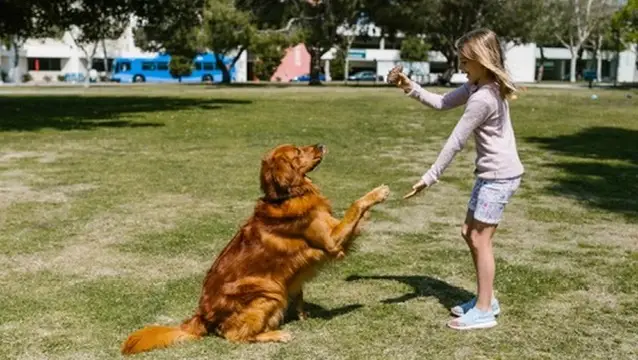
Raising both human kids and fur kids can be a beautiful, messy, and wonderfully rewarding journey. The love and laughter that fill a home with both can be immeasurable. However, as any parent knows, it’s also a big responsibility to ensure that everyone in the family feels safe, secure, and happy. This is especially true when it comes to the interactions between our children and our beloved canine companions. A little education and understanding can go a very long way in building a harmonious household and preventing potential problems before they ever arise.
At Four Seasons For Paws, we believe that understanding a dog’s world is the first step toward building a lifelong, loving bond. Our mission is to help create a world where every pet and every child can coexist peacefully, and it all starts with knowledge and respect. We’ve created this gentle guide for every pet parent out there, providing essential tips on how to help your kids understand how to approach dogs—whether they are family pets or new acquaintances—and build a bond that will last a lifetime.
Teaching Kids How to Behave Around Dogs
The foundation of any positive interaction between a child and a dog is education. We can’t expect children to instinctively know how to behave around animals. It is our role as parents and guardians to guide them, teach them empathy, and show them how to interact respectfully. This isn’t just about safety; it’s about nurturing a profound connection between two of life’s greatest sources of joy. By teaching children about a dog’s needs and communication style, we empower them to become compassionate, confident, and responsible friends to their canine counterparts.
A safe and loving bond between your human and animal kids is built on a foundation of mutual trust and understanding. We must teach our children to see the world from a dog’s perspective, to recognize their signals, and to respect their space.
How to Say Hello Safely
Approaching a new dog can be exciting, but it’s crucial to do so with care and respect. The first and most important rule is to always ask the owner for permission before approaching their dog. This simple step teaches children to respect boundaries and ensures the owner can confirm if their dog is friendly and comfortable with new people.
Once permission is granted, a child should approach the dog with a gentle, non-threatening posture. Instead of walking straight toward the dog, which can be seen as confrontational, they should stand with their side facing the dog. This sideways stance is less intimidating and shows the dog that the child is not a threat. Additionally, teach your child to avoid direct eye contact, which can be perceived as a challenge by some dogs. The best approach is to let the dog come to them, allowing the dog to initiate the interaction on its own terms.
The tone of voice is also key. High-pitched squeals or loud, excited sounds can startle a dog or make them nervous. Encourage your child to use a normal, calm, and quiet voice. This calm demeanor helps to keep the dog relaxed and ensures a positive first impression.
The Right Way to Pet (and When to Stop)
Petting a dog seems simple, but there’s a right way and a wrong way. Many children, out of love and excitement, will try to reach over a dog’s head to pet them. This motion can be very intimidating for a dog. A hand coming from above can feel like a threat, causing the dog to flinch or become defensive. Instead, if the dog approaches and seems comfortable, teach your child to squat down to their level. Being at the same height makes the child seem less imposing.
The best places to pet a dog are on their chest or sides. These areas are less sensitive and are typically where dogs enjoy being scratched. Teach children to use a gentle, open hand to pat or stroke the dog, avoiding the head, face, or tail. A dog’s head is a sensitive area, and petting it can make some dogs feel vulnerable. Hugs and kisses, while a natural expression of affection for humans, can make a dog feel uncomfortable and trapped. For a dog, being held tightly is a sign of being restrained, not loved. It’s important to teach children that while they may want to hug their furry friend, showing affection through gentle pets is a safer and more respectful way to bond.
What is the Dog Trying to Tell Me?
One of the most valuable lessons we can teach our children is how to read a dog’s body language. Dogs communicate through a complex system of gestures, postures, and vocalizations. Understanding these signals is crucial for preventing misunderstandings and ensuring everyone’s safety.
Teach your child to look for “Friendly Signs,” which indicate a dog is relaxed and happy. These include a relaxed body, loose posture, and a loose, wagging tail. When a dog wags their tail, it’s important to look at the whole body—a loose, sweeping wag usually means they’re happy to see you.
Conversely, it’s equally important to recognize “Worried Signs” that tell us a dog is uncomfortable or stressed. These signs can be subtle, such as a tucked tail, a tense body, or ears that are pinned back. More obvious signs include growling, barking, or baring teeth. Teach your child to listen to these signals. If a dog doesn’t come up to them, or if they seem tense or hesitant, it’s a clear signal to keep their distance. Respecting these boundaries is not just about safety, but also about building a relationship based on trust.
Respecting Their Quiet Time
Just like people, dogs need their own space and quiet time. Teaching children to respect a dog’s boundaries is a cornerstone of responsible pet ownership. A dog’s bed or crate should be considered their personal sanctuary, a place where they can retreat and feel safe. It is vital to teach children not to bother a dog when they are resting, sleeping, or eating. Interrupting a dog during these times can be startling and can lead to a negative reaction.
Similarly, it’s important to discourage rough play. While wrestling and chasing might seem like fun, they can quickly escalate and lead to an accident. Instead, encourage your child to engage in positive play using appropriate toys. Fetch, gentle tug-of-war, or even hiding treats for the dog to find are all wonderful ways to interact and build a strong bond without the risk of injury or over-stimulation.
Your Role: The Most Important Part
While we are teaching our children, it’s crucial to remember our own role as the most important part of this equation. Our supervision and example are the keys to success.
Always Supervise: This is a non-negotiable rule. Never, ever leave young children and dogs alone together, even for a moment. Accidents can happen in an instant, and supervision is the only way to ensure both your child and your dog remain safe.
Teach by Example: Children learn best by watching and mimicking the adults in their lives. Show your child how to behave calmly and gently around your pets. Use a soft voice, move slowly, and demonstrate respectful petting. When you model positive behavior, your child will naturally follow suit.
Involve Them in Care: Building a positive bond is about more than just playing. Let your child help with the dog’s daily care, such as pouring food into the bowl, refilling the water dish, or brushing their fur. This involvement not only teaches responsibility but also helps to foster a sense of shared purpose and connection.
What’s your best tip for teaching children to be kind to pets? We’d love to hear your advice and stories in the comments below!